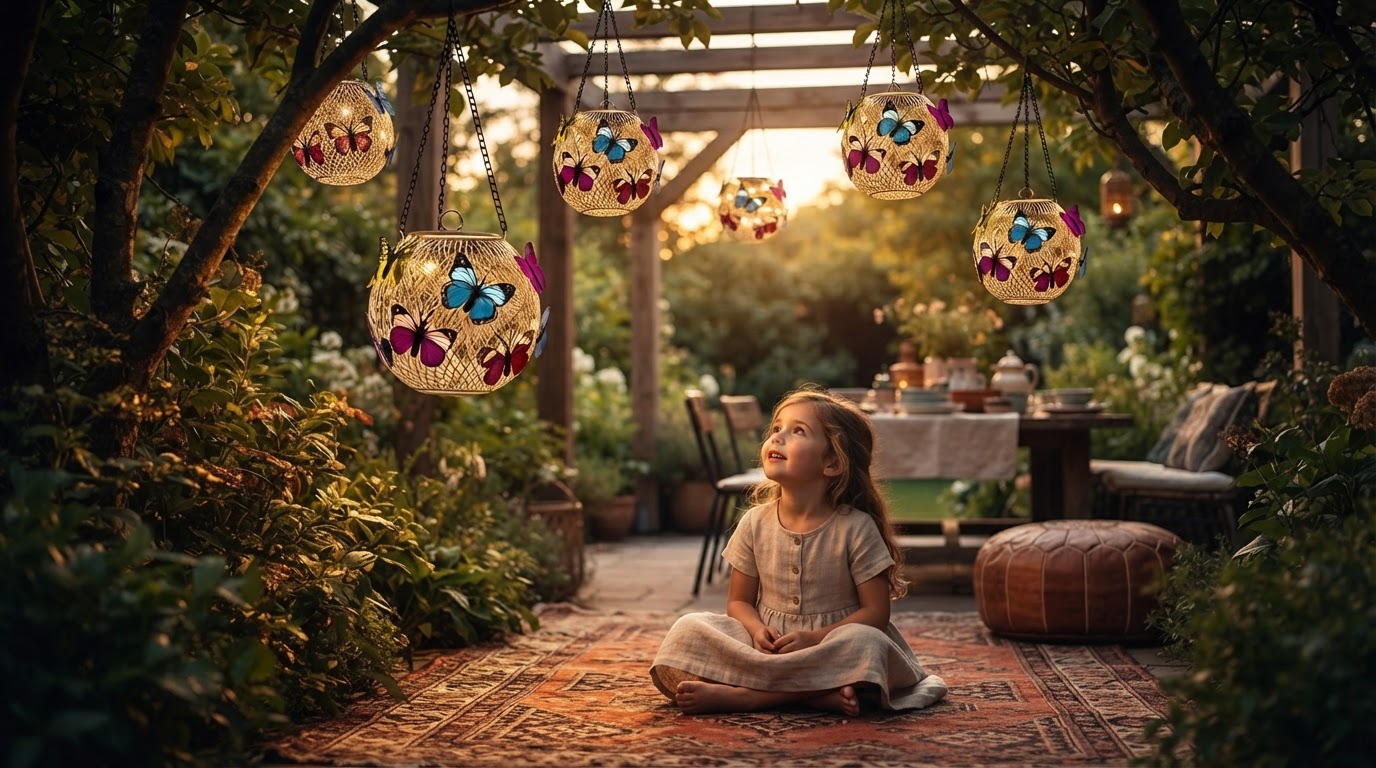
Elevating Garden Aesthetics with Solar Moroccan Lanterns
 Maya ChenContributing Editor
August 16, 2026. This analysis evaluates the technical application of solar garden lanterns hanging in residential landscapes to achieve specific atmospheric effects. Homeowners seeking a departure from sterile LED spotlights will find the most utility in these high-contrast, filigree-based systems.
The Limitations of Traditional Outdoor Lighting
The conventional wisdom says that more lumens equal better outdoor lighting, yet this approach frequently results in flat, over-illuminated spaces that lack character. Most consumers gravitate toward standard plastic pathway lights or floodlights, failing to account for the psychological impact of shadow and texture. According to HGTV, investment-worthy lighting options now span various sizes and installation methods, including freestanding and hanging designs, yet many still prioritize raw brightness over visual depth. Here's the part nobody talks about: high-wattage garden lights often wash out the natural architectural features of a home, creating a clinical environment rather than a sanctuary. The push for utilitarian visibility has led to a market saturated with "modern geometric" designs that, while functional, offer little in the way of artistic value. When lights are hung improperly, such as a hanging lantern for shepherds hook solar placed too low to the ground, the potential for light dispersion is wasted. The industry consensus suggests that outdoor lighting is purely for safety, but a data-first look at landscape design reveals that contrast—the interplay between light and dark—is what actually defines a premium outdoor space.
Engineering the Shadow Spray Effect
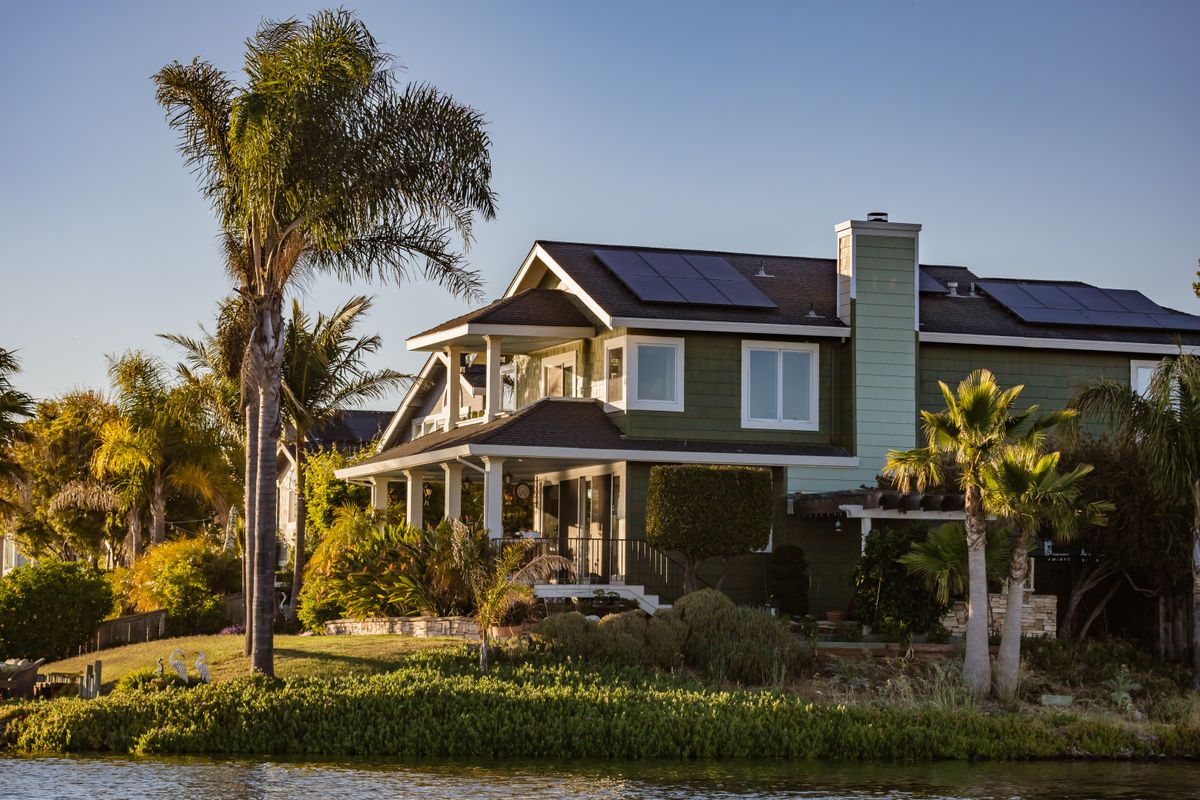
Solar Moroccan Lanterns solve the problem of visual flatness by utilizing metal filigree to manipulate light rather than just emit it. Unlike a standard bulb, these units act as projectors. The internal solar-powered LED passes through intricate Turkish and Middle Eastern-inspired patterns, creating what enthusiasts on platforms like Reddit describe as a "shadow spray." This isn't just a decorative claim; it is a matter of geometric projection. For these lanterns to function effectively, the housing must be constructed from durable, weatherproof materials that maintain the integrity of the cut-outs over time. When selecting a weatherproof solar lantern for pergola use, the thickness of the metal and the quality of the powder coating determine whether the shadow pattern remains crisp or becomes blurred by corrosion. The integration of high-efficiency solar cells on the top of these lanterns eliminates the need for complex wiring, which is a significant advantage when installing a hanging solar lantern for pergola structures where traditional electrical runs would be unsightly. Run the math: a typical wired installation involves trenching and professional labor costs that can exceed the price of the fixtures by 400%. Solar-powered alternatives bypass this entirely while providing the same 6 to 8-hour run time, provided they receive adequate diurnal charging. The shift toward these decorative units reflects a growing consumer preference for "boho patio lighting" that prioritizes mood over raw visibility.
Technical Implementation and Placement Strategy
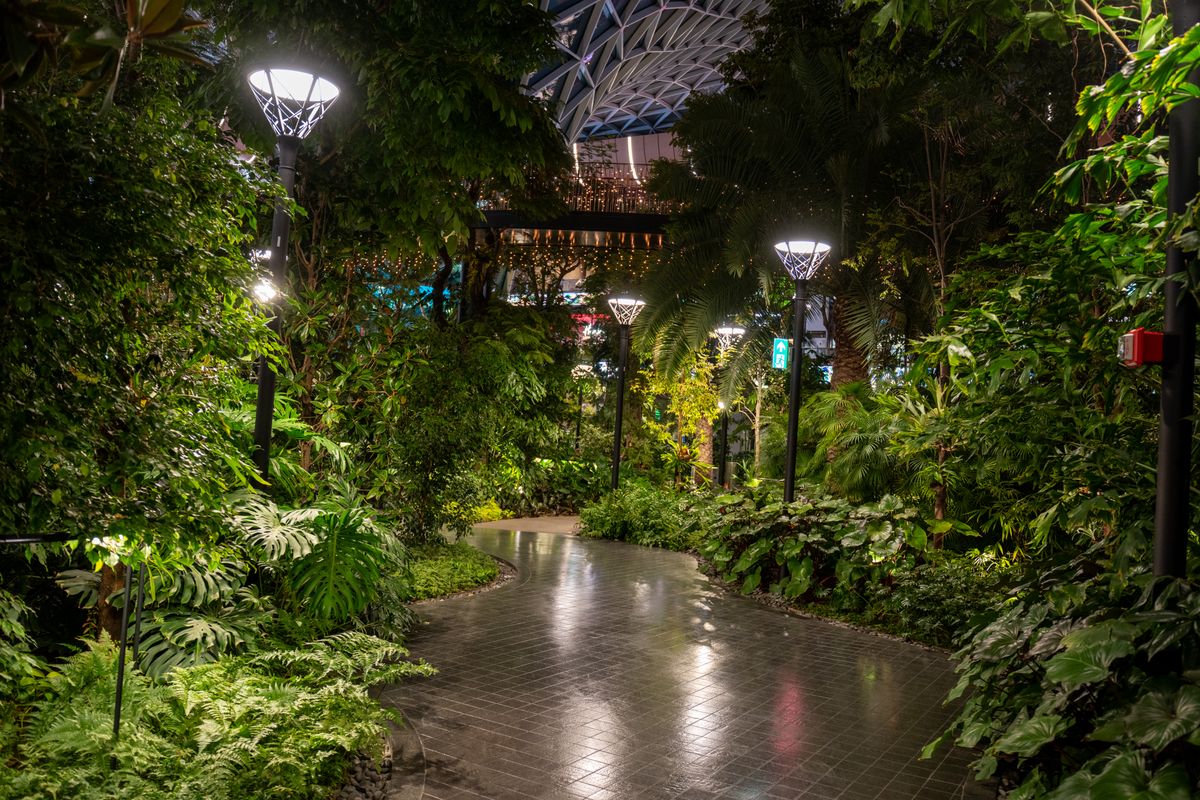
Successful deployment of solar garden lanterns hanging in a landscape requires more than just random placement. The height and proximity to vertical surfaces directly dictate the scale of the shadow patterns produced. To maximize the aesthetic return on investment, users must evaluate their space against a specific set of environmental criteria. This is particularly important when choosing a hanging lantern for shepherds hook solar to ensure the weight of the metal housing does not cause the hook to lean, which would distort the light angle. Furthermore, the longevity of these units is tied directly to their exposure to the elements; a weatherproof solar lantern for pergola must be rated for moisture resistance to prevent the internal electronics from failing during seasonal shifts. I’ll change my mind when I see a wired system that can match the portability and pattern-complexity of these filigree units without costing thousands in installation.
- Surface Proximity: Hang lanterns within 2-4 feet of a wall or fence to ensure the filigree shadows are sharp and visible.
- Solar Intake: Ensure the top-mounted panel receives at least 6 hours of direct sunlight; avoid placing under dense tree canopies.
- Material Weight: Verify that supports, such as pergola beams or hooks, can sustain the 2-4 lb weight of metal Moroccan lanterns.
- Pattern Density: Choose tighter filigree patterns for smaller spaces and larger, open cut-outs for expansive garden walls.
- Height Calibration: Suspend units at eye level (5.5 to 6 feet) to avoid direct glare from the LED while maximizing ground illumination.
Shop Solar Moroccan Lanterns here