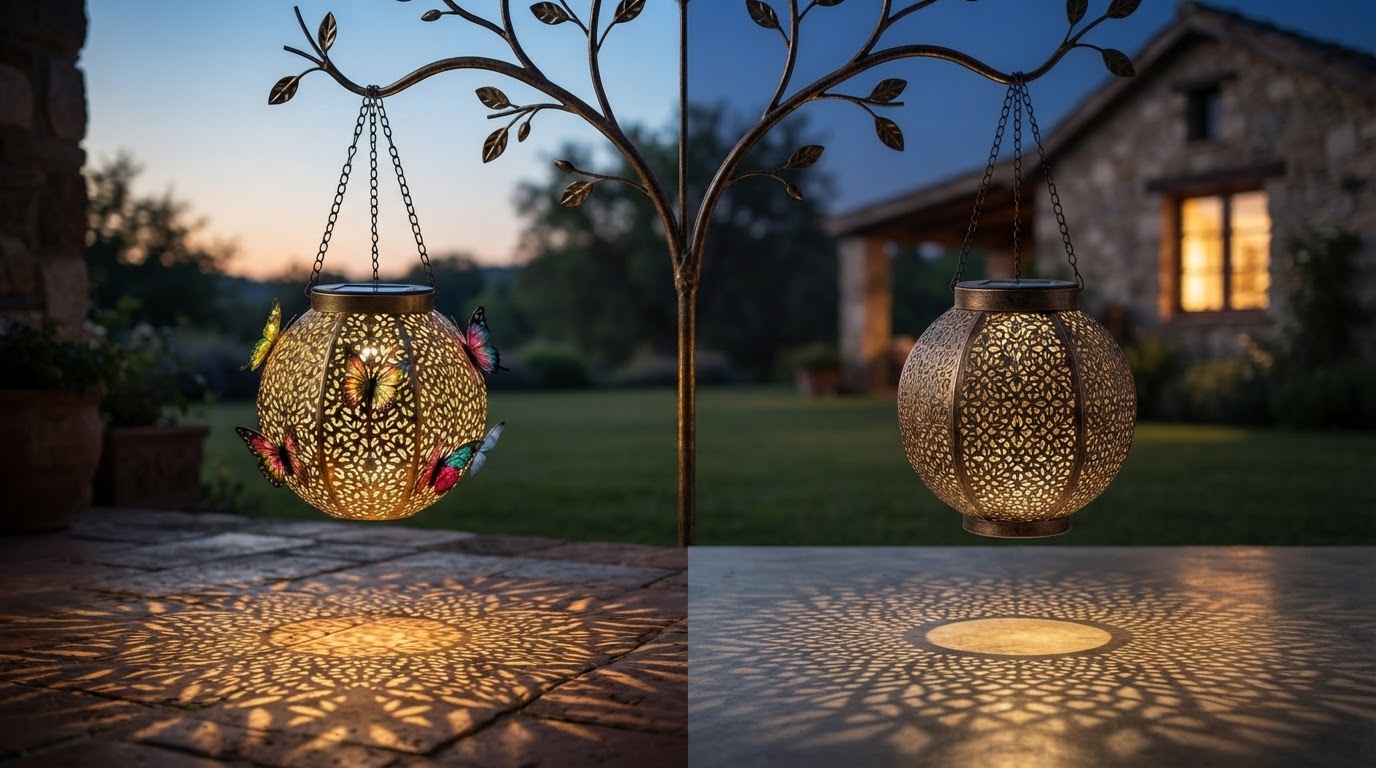
Turkish Design Framework for Solar Moroccan Lanterns
 Priya RamanSenior Analyst
September 12, 2026 — Recent shifts in landscape architecture show an increased demand for Turkish-style solar lanterns outdoor, with Solar Moroccan Lanterns emerging as a primary choice for homeowners seeking intricate light refraction.
The adoption of metal filigree lighting has moved beyond simple utility into the realm of atmospheric design. According to recent data from Reddit lighting discussions, the primary appeal of these fixtures lies in their ability to cast expansive shadow patterns across garden surfaces. This trend reflects a broader consumer interest in boho outdoor patio decor that functions independently of the electrical grid. Selecting the right fixture requires understanding how light interacts with punched metal apertures to ensure the aesthetic remains consistent throughout the night.
The Three-Axis Projection Framework
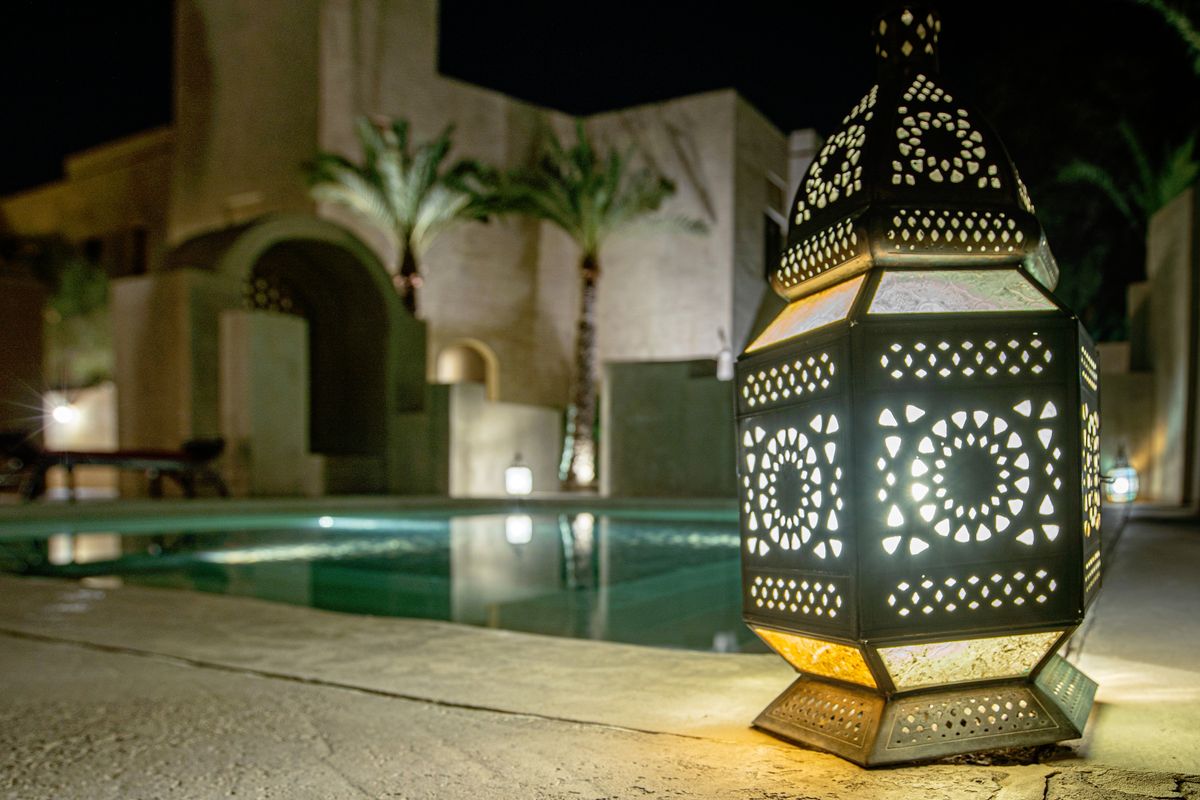
Photo by Denys Gromov on Pexels
When evaluating Turkish-style solar lanterns outdoor, two axes matter here: the density of the metal filigree and the intensity of the LED source. Think of it as a matrix of projection versus duration. The first axis is the aperture ratio, which determines the sharpness of the shadow patterns. High-density patterns create intricate, sharp-edged geometry on the ground, while wider cutouts provide more functional ambient light. The second axis is the lumen output, typically ranging between 5 to 15 lumens for decorative Moroccan-style units, which must be balanced against battery capacity to ensure a runtime of 6 to 8 hours. The third axis is the IP rating, where an IP44 or higher rating is necessary to withstand moisture in balcony and garden environments. Data from Google Search Console indicates that metal filigree solar lights outdoor are currently trending because they bridge the gap between traditional craftsmanship and modern photovoltaic efficiency. The decision rule: choose high-contrast filigree for accent areas like walkways and broader patterns for communal seating zones where visibility is a priority. Once you see it this way, it becomes clear that the lantern is not just a light source, but a projector of texture.
Expert tip: To maximize the shadow clarity of your Solar Moroccan Lanterns, place them within three feet of a flat, light-colored surface like a stone patio or a neutral wall, as the intricate Turkish-style patterns lose definition over greater distances.
Integrating these fixtures often involves pairing them with other regional aesthetics, such as Arabic Style Solar Outdoor Lighting Outdoor for a cohesive theme. For those focusing on specific metallic finishes, the copper Moroccan solar lantern provides a warmer reflection compared to standard steel. If your space requires stationary lighting rather than hanging options, warm white solar Moroccan table lamps offer a stable alternative that maintains the same intricate shadow effects. Ultimately, the versatility of Solar Moroccan Lanterns allows for a layered lighting plan that adapts to various garden scales.
Selecting the right outdoor lighting requires balancing technical performance with traditional design elements to ensure long-term durability.