
Integrating Solar Moroccan Lanterns into Modern Landscapes
 Sam VasquezBuying Guide Lead
August 4, 2026. Choosing the right outdoor lighting involves balancing aesthetic shadow play with the practicalities of solar charging and weather resistance. This guide is for homeowners who want to move beyond basic floodlights and introduce textured, atmospheric lighting to their pergolas and garden paths.
The Challenge of Atmospheric Outdoor Lighting
When I look at typical outdoor lighting setups, I see a recurring problem: most homeowners default to high-intensity LED path lights that provide visibility but absolutely zero character. These standard plastic stakes often create harsh glare that washes out the natural textures of a garden. According to common landscaping principles, effective lighting should provide layers—ambient, task, and accent—rather than a single flat source of illumination. The difficulty lies in finding a solution that offers the "boho patio lighting solar" aesthetic without the fire hazard of traditional candles or the wiring headaches of low-voltage systems. Many people search for "hanging solar lanterns for garden decorative" purposes only to find that the light output is either too weak to be useful or the materials aren't built to survive a single season of rain. If you are looking for high-intensity security lighting to illuminate a driveway, skip this if you expect a metal filigree lantern to do that job; these are designed for mood and intricate visual texture, not for spotting a stray cat at fifty yards.
Why Solar Moroccan Lanterns Work for Pergolas and Patios
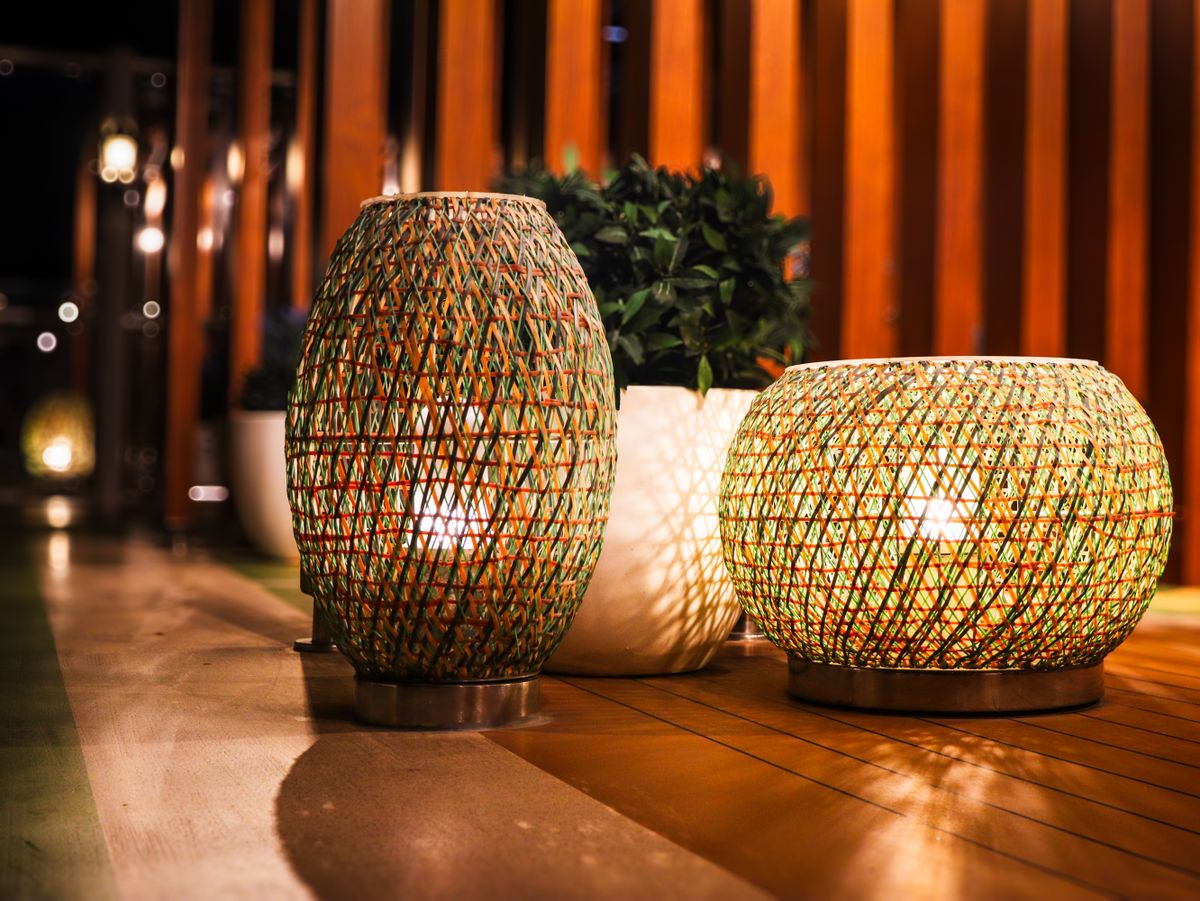
Photo by Sight See-RR on Pexels
Solar Moroccan Lanterns solve the atmosphere problem by using metal filigree to manipulate light rather than just throwing it. These units are built with weatherproof housings specifically for pergola and garden use, which addresses the "weatherproof solar lantern for pergola" search intent I see so often. The primary benefit here is the specific way solar powered metal filigree lanterns sprays shadow across horizontal and vertical surfaces. Unlike a standard glass lantern, the punched metal design acts as a stencil. This is why understanding how Solar Moroccan Lanterns cast intricate patterns is vital; the distance from the lantern to the wall or floor determines the sharpness of the projection. Between these two options—a standard glass solar jar and a Moroccan metal lantern—I’d go with the metal lantern every time because it hides the internal components while creating a deliberate design element. The solar panels are integrated into the lid, charging during the day to power an internal LED that projects downward. This specific geometry is what allows solar lanterns with shadow patterns to turn a plain concrete patio into a textured space. If you're on a budget, you might be tempted by plastic imitations, but they rarely have the weight to stay still in the wind or the opacity to create clean shadow lines.
Selecting and Placing Your Lanterns

Photo by Alexas Fotos on Pexels
Here’s what I’d actually buy: a set of three lanterns in varying sizes to create a cluster effect. When you are looking for "turkish garden solar lights," you are essentially looking for that specific warm-toned, patterned glow. To get this right, you need to consider the "throw" of the light. Because Solar Moroccan Lanterns and shadow pattern design rely on the contrast between light and dark, you should place them near light-colored surfaces like a white-washed fence or a light grey stone patio. If you place them in the middle of a dark lawn, the patterns will be lost in the grass. You also need to ensure the solar sensor isn't placed directly under a porch light, or it will never trigger the lantern to turn on at dusk. For those focusing on solar lanterns that cast patterns, placement height is everything. Hanging them at eye level provides the best visual interest for guests, while placing them on the ground can help define the edges of a seating area. Use this checklist to evaluate your space before purchasing:
- Check for at least 6 hours of direct, unobstructed sunlight for the solar cells.
- Identify light-colored surfaces (walls, decks, or pavers) to act as a canvas for the shadows.
- Verify the IP (Ingress Protection) rating to ensure they can handle your local rainfall levels.
- Plan for height variation; use hooks for hanging and flat surfaces for floor placement.
- Match the metal finish (bronze, copper, or black) to your existing patio furniture hardware.