How to design a garden with Solar Moroccan Lanterns?
 Maya ChenContributing Editor
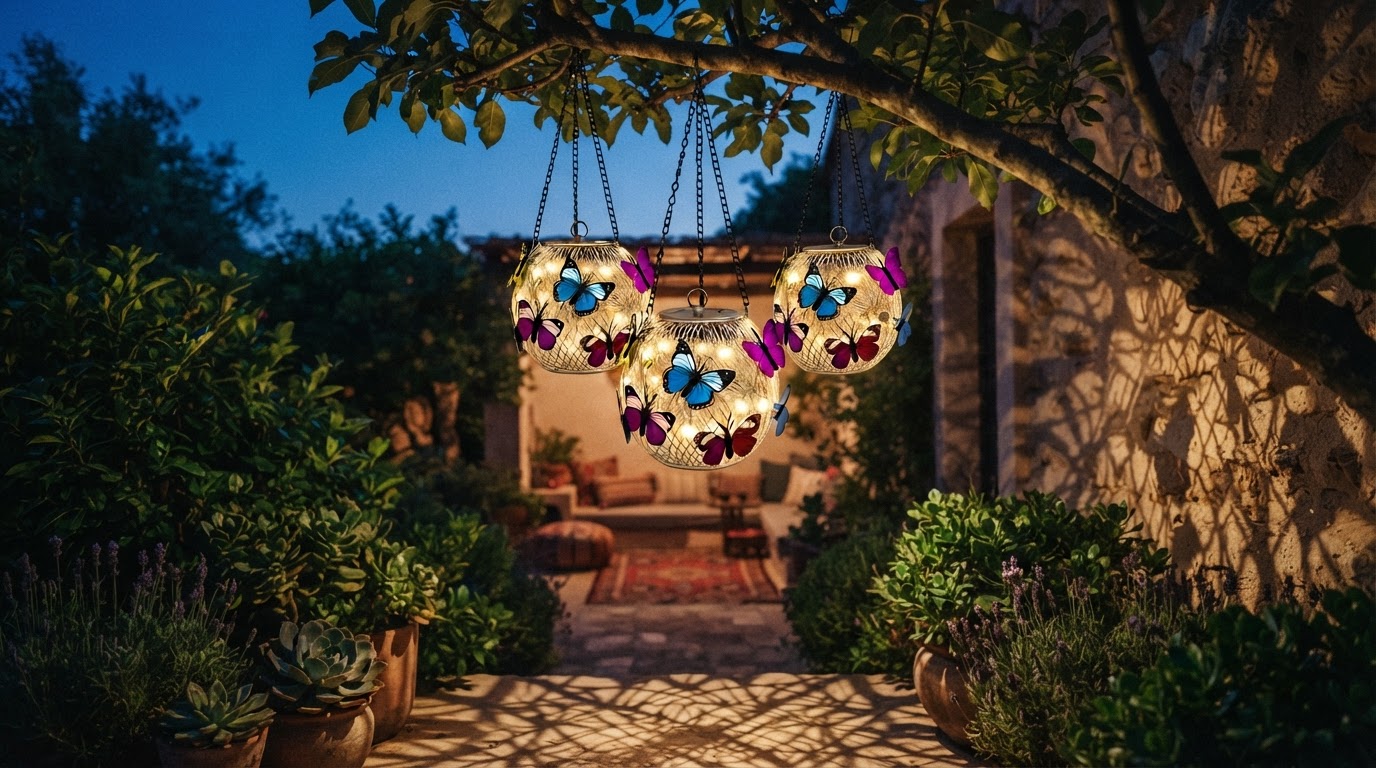
October 20, 2026 — Designing a garden with Solar Moroccan Lanterns requires prioritizing shadow-casting geometry over raw lumen output to achieve authentic North African aesthetic depth.
Homeowners frequently attempt to replicate Riad-style courtyards by saturating spaces with high-wattage floodlights, which flattens the intricate textures of traditional decor. This matters because the efficacy of a Moroccan-inspired space depends entirely on the interplay between light and darkness, a balance often lost in modern LED conversions. By utilizing specialized solar-powered metal filigree, designers can create the necessary high-contrast environments without the complexity of hardwired electrical systems.
Can Solar Moroccan Lanterns create authentic shadow patterns?
Yes, Solar Moroccan Lanterns produce complex geometric shadows provided the internal LED is positioned as a point source relative to the metal cutouts. The conventional wisdom says that more light is always better for outdoor safety, but in Moroccan design, the light is merely a vehicle for the shadow. Real Homes suggests that adding dreamy lighting is a foundational step in Moroccan garden design, particularly when paired with metallic finishes that reflect light even during daylight hours.
Here's the part nobody talks about: many generic solar lights use frosted plastic diffusers that blur the very patterns they are meant to project. To achieve the sharp, high-contrast silhouettes seen in professional Middle Eastern outdoor design, the lantern must utilize a clear bulb housing and a high-density filigree pattern. When these lanterns are hung at varying heights—ideally between 3 and 6 feet—the overlapping shadows create a sense of architectural depth that static, unpatterned lights cannot replicate. This technique is particularly effective when staging arabian night party outdoor lighting, where the goal is to transform a standard lawn into an immersive, textured environment.
How do you integrate Moroccan lanterns with garden foliage?
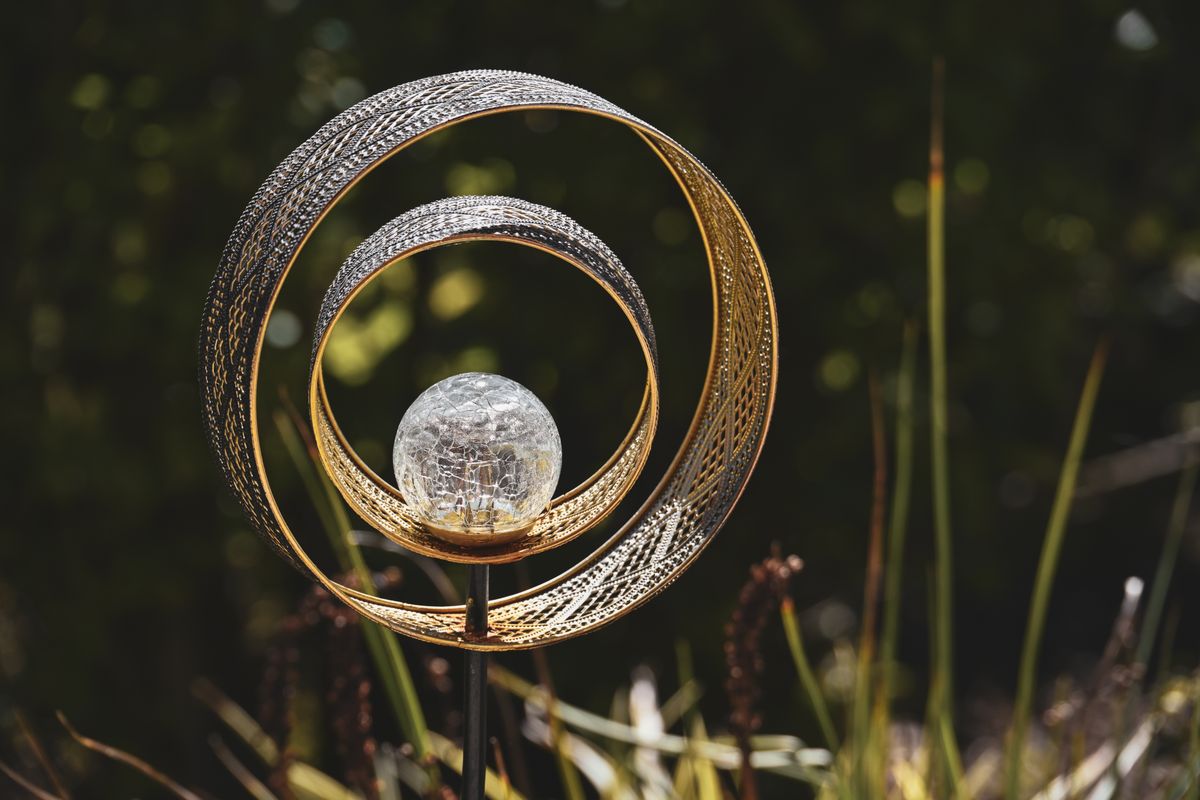
Photo by Alexas Fotos on Pexels
Integrating Solar Moroccan Lanterns with foliage requires placing the light source behind or within sparse, structural greenery to use the leaves as secondary projection surfaces. While many designers suggest placing lanterns on open patios, the most effective use of outdoor middle eastern lanterns involves tucking them into citrus trees or near architectural plants like palms. According to MoroccanZest, the combination of vibrant textiles and lush greenery is essential for bringing exotic charm to a patio.
Run the math: a single solar lantern with a 360-degree projection radius can cover approximately 15 to 25 square feet of ground space with pattern. If placed in the center of a floral bed, 40% of that light is absorbed by dark green foliage, which significantly reduces the visual impact. Instead, placing lanterns against light-colored garden walls or light-toned stone paths maximizes the visibility of the intricate metalwork. For those seeking the highest visual fidelity, choosing arabian style solar garden lights that feature antique bronze or copper finishes ensures the hardware complements the organic tones of the garden during the day. I'll change my mind when I see a plastic alternative that manages to hold a charge for 8+ hours while maintaining the structural integrity required for precise shadow casting.
Quick answers
Q: How many solar lanterns are needed for a standard 200-square-foot patio? A: For adequate atmospheric coverage, plan for one Solar Moroccan Lantern every 4 to 5 linear feet. This density ensures that the projected patterns overlap slightly, preventing "dark zones" in the middle of the seating area.
Q: Can Solar Moroccan Lanterns withstand heavy rain in a garden setting? A: Most high-quality metal filigree lanterns are rated IP44 or higher, meaning they are protected against water splashes from any direction. However, in regions with over 50 inches of annual rainfall, it is advisable to ensure the solar panel is cleaned monthly to prevent debris from blocking the photovoltaic cells.
Q: What color temperature is best for Moroccan-style outdoor decor? A: A warm white temperature of approximately 2700K is necessary to mimic the traditional candlelight used in historic Moroccan Riads. Cooler temperatures (above 4000K) often make the metal filigree look clinical rather than inviting.
Learn more about Solar Moroccan Lanterns at https://solyramoroccan.com.
Sources
Photo by Angelo Capitanio on Pexels
- 38 Moroccan garden ideas
- 7 Moroccan garden ideas that are colorful and charming
- Stunning Moroccan Outdoor Decor, Transform Your ...