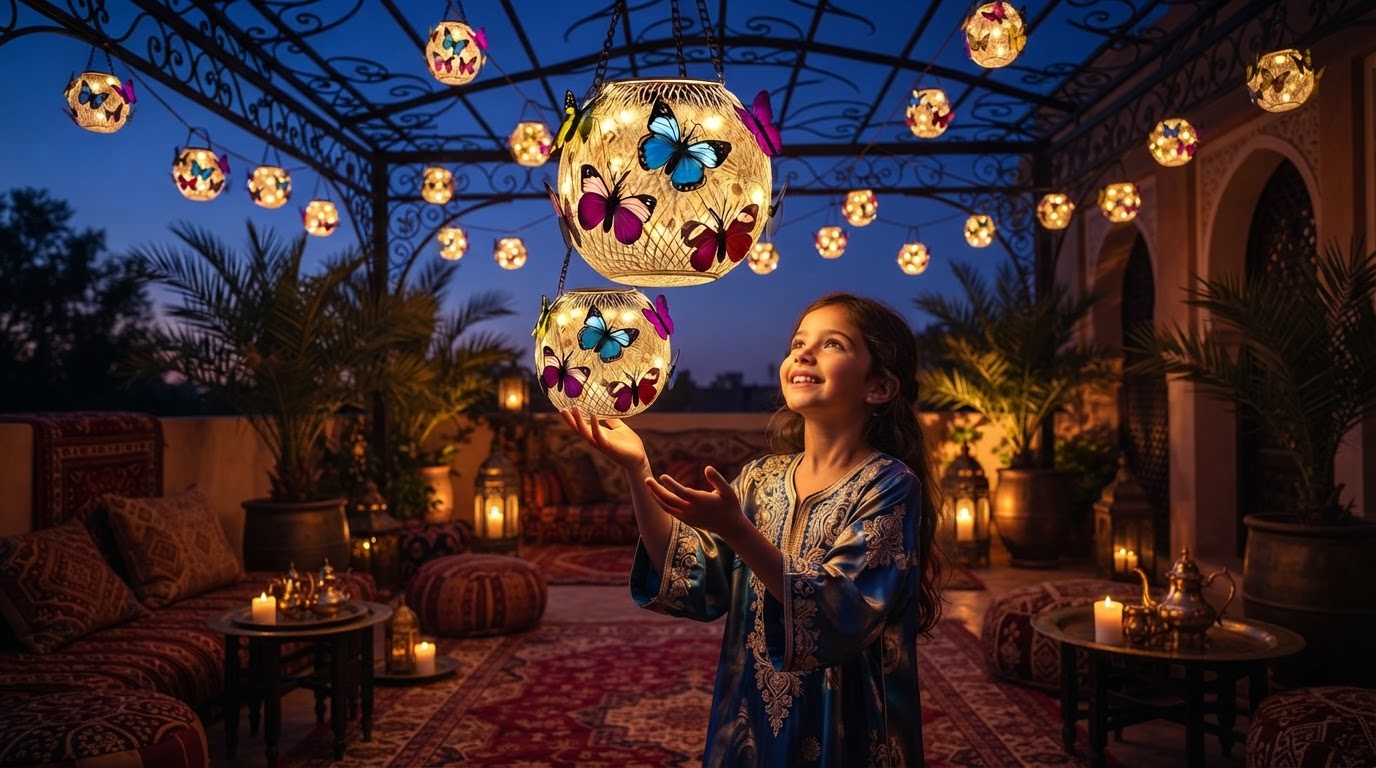
Staging Arabian Night Party Lighting with Solar Moroccan Lanterns
 Priya RamanSenior Analyst
October 17, 2026. This analysis explores the technical and aesthetic requirements for executing a high-impact Arabian Night party lighting scheme using sustainable technology. It serves as a guide for hosts seeking to balance atmospheric depth with the practical constraints of outdoor event management.
The Atmospheric Challenge of 1001 Nights
Designing an outdoor event centered on a Middle Eastern aesthetic requires more than simple illumination; it requires the manipulation of shadow and color temperature. The primary challenge for hosts is replicating the depth of traditional oil lamps without the fire hazards or the logistical burden of extensive electrical wiring. According to Anderson's Prom, successful Arabian theme party pairings often include golden tones, rich colors, and boho-chic styles that evoke a "genie's lamp" aesthetic. However, when these elements are transitioned to an outdoor setting, the absence of walls to reflect light can make a space feel flat or under-lit.
Think of it as a matrix of intensity and pattern. On one axis, you have the raw lumen output required for guest safety and navigation. On the other, you have the intricate shadow projection that defines the "1001 Nights" experience. Many hosts fail by prioritizing one over the other—either flooding the space with bright, sterile floodlights that destroy the mystery, or relying solely on small candles that leave the perimeter in total darkness. To solve this, one must integrate outdoor middle eastern lanterns that function as both light sources and architectural tools. Adobe Stock data highlights that the most effective Arabian nights theme parties utilize a combination of golden lanterns and patterned rugs to create a layered effect, where the light interacts with the textures of the environment. Without these textures, the lighting feels disconnected from the theme. This is where the specific geometry of the light source becomes the most critical variable in the design process.
Integrating Solar Moroccan Lanterns into Event Design
Solar Moroccan Lanterns address the dual requirements of mobility and aesthetic complexity by utilizing metal filigree housings that serve as high-contrast stencils. Unlike standard garden lights, these units are engineered to project specific geometric patterns—often referred to as shadow art—across the ground and nearby surfaces. Two axes matter here: the density of the filigree and the placement of the solar cell. When staging an event, arabian style solar garden lights provide the warm, amber-hued glow (often around 2700K to 3000K) that is essential for maintaining the "golden hour" feel of a desert sunset throughout the night.
Because these lanterns are waterproof and wireless, they can be deployed in locations where traditional plug-in lighting is impossible, such as the center of a lawn or hanging from distant tree branches. The metal filigree solar lights outdoor enthusiasts prefer are particularly effective because they create a "carpet of light" effect, mimicking the intricate designs found in Persian rugs. This is a vital component of moroccan style garden decor ideas, as it allows the host to define specific zones—like a lounge area or a dining space—using only light patterns. The solar component ensures that the lighting transitions naturally as the sun sets, automatically activating as the ambient light levels drop. This removes the need for a manual "flip of the switch," allowing the atmosphere to build organically as the party progresses. Furthermore, using outdoor solar hanging lanterns at varying heights creates a three-dimensional light scape that mimics the crowded, vibrant feel of a traditional souk. Once you see it this way, the lighting becomes an active participant in the decor rather than a background utility.
A Decision Framework for Outdoor Arabian Lighting
The decision rule for selecting and placing your lighting is based on the "Rule of Three Layers": primary navigation paths, secondary atmospheric clusters, and tertiary accent points. To ensure the party remains functional while capturing the essence of the theme, hosts should evaluate their equipment against a specific set of technical and visual criteria. As noted by Zohar Productions on Pinterest, specialty lighting like gobo patterns or intricate filigree adds enormous impact, especially when used to create focal points around seating areas.
When preparing your layout, use the following checklist to ensure the Solar Moroccan Lanterns are optimized for the event:
- Charge Capacity: Ensure lanterns are placed in direct sunlight for at least 6-8 hours prior to the event to guarantee a minimum of 8-10 hours of illumination.
- Shadow Projection Surface: Place filigree lanterns within 2-4 feet of a flat surface (a wall, a light-colored rug, or a patio floor) to maximize the visibility of the geometric patterns.
- Color Consistency: Verify that all solar units utilize warm-white LEDs; mixing cool-blue solar lights with warm-amber lanterns will disrupt the Arabian Night aesthetic.
- Height Variation: Mix turkish style solar lanterns outdoor on shepherd's hooks with larger floor-standing models to create vertical depth.
- Redundancy: In areas where guests will be eating or walking, cluster three lanterns together to ensure the light overlap provides enough visibility for safety.
Shop Solar Moroccan Lanterns here
Sources
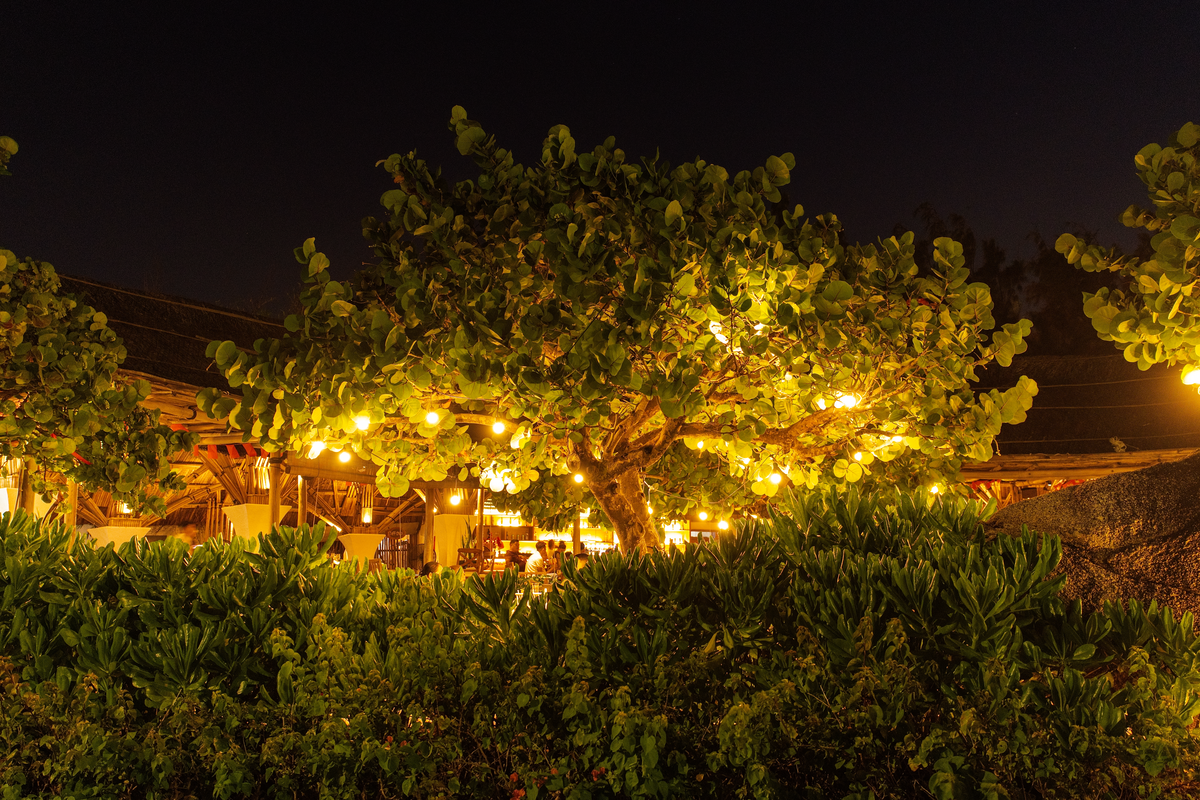
Photo by quang vinh on Pexels
- Arabian Theme Party Supplies - Anderson's prom
- Lighting for Arabian Nights and Moroccan Theme Parties - Pinterest
- 10891 results for arabian nights party in all - Adobe Stock