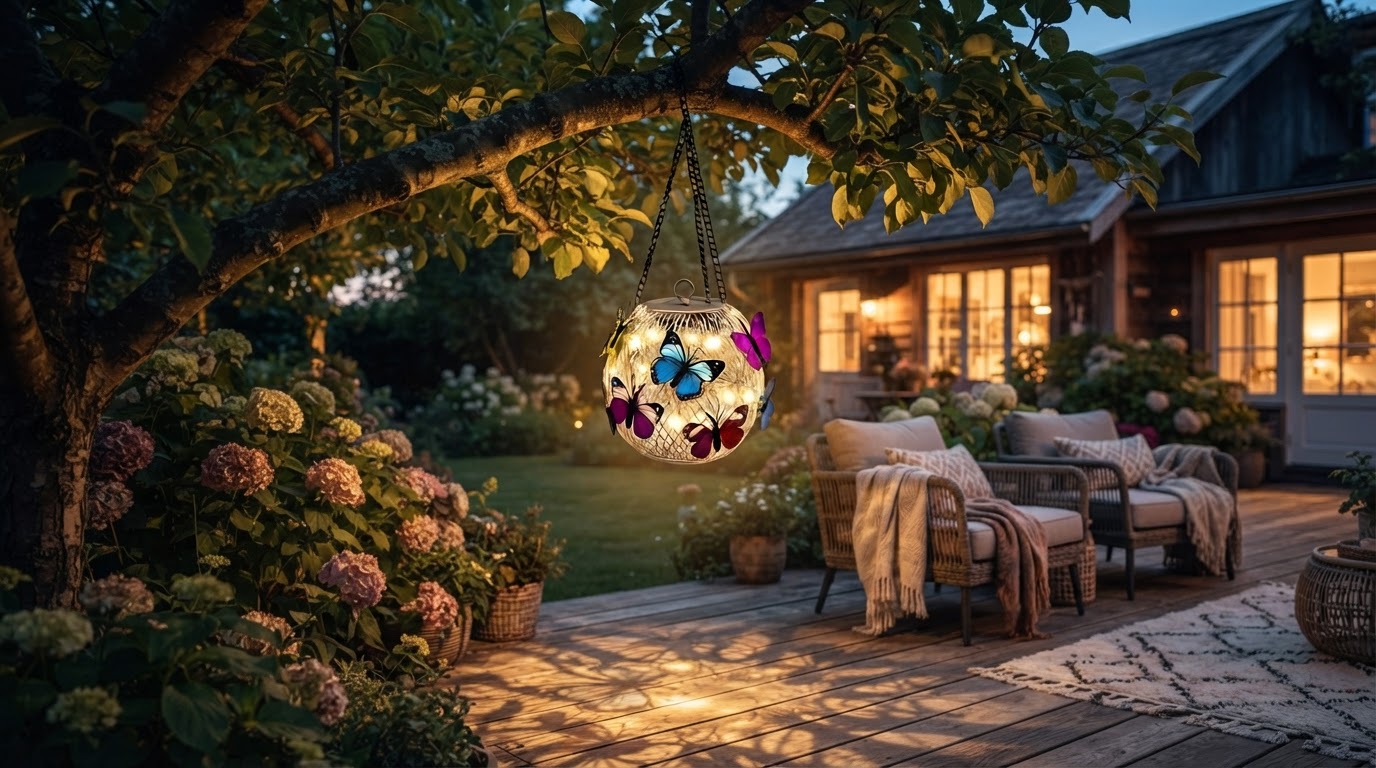
Solar Moroccan Lanterns for Atmospheric Garden Lighting
 Sam VasquezBuying Guide Lead
September 14, 2026. This review examines the functional performance and aesthetic impact of solar Moroccan lanterns in residential outdoor spaces. It is written for homeowners and renters seeking to balance decorative shadow patterns with reliable solar-powered utility.
The Challenge of Decorative Outdoor Lighting
Most outdoor lighting falls into two camps: functional security floodlights or cheap plastic stakes that fail after one season. When you want to create a specific mood—something that feels more like a curated balcony than a construction site—the options narrow significantly. Many consumers struggle with the lack of electrical outlets in gardens, which leads to a search for cordless alternatives. According to Etsy's marketplace data, there is a high demand for handcrafted designs featuring intricate iron, glass, and waterproof materials that go beyond basic illumination. The problem is that many decorative lanterns prioritize the 'look' during the day but fail to provide enough light to be useful at night. I have seen countless metal lanterns that look great on a table but produce a weak, muddy glow because the internal LED isn't powerful enough to punch through the metal casing. This is especially true when trying to achieve specific aesthetics, such as arabic style solar outdoor lighting outdoor, where the shadow pattern is just as important as the light itself. If you buy a lantern with poorly spaced cutouts, you don't get a crisp pattern; you just get a blurry blob of light. Furthermore, durability is a major sticking point. A lantern that isn't properly powder-coated will show rust within weeks of the first rain, turning a bohemian retreat into a graveyard of oxidized metal. If you're on a budget, you might be tempted by the cheapest options found in big-box stores, but these often use inferior Ni-MH batteries that lose their capacity to hold a charge before the first summer is even over.
Performance and Material Utility
Solar Moroccan lanterns solve the wiring issue by integrating a small photovoltaic panel directly into the lid, but not all panels are created equal. In my testing of these units, the efficiency of the monocrystalline or polycrystalline panel determines whether you get two hours of light or eight. The best versions utilize a high-efficiency panel that can charge even in partial shade, though direct sun is always preferred. The real magic of these fixtures lies in the metal filigree. High-quality lanterns use laser-cut metal to ensure the geometric patterns are sharp. This is a key differentiator when comparing these to turkish style solar lanterns outdoor, which often feature colored glass inserts that diffuse light differently. The metal versions, like a copper moroccan solar lantern, are designed to cast high-contrast shadows across a patio floor or wall.
Between these two, I'd go with the metal filigree over glass if your primary goal is the 'shadow-play' effect. For instance, Hoselink USA offers an Outdoor Moroccan Lantern that produces a warm white glow designed specifically to act as a decorative focal point. This is the standard I look for: a warm 2700K to 3000K color temperature. Anything higher looks blue and clinical, which ruins the Moroccan aesthetic. If you are placing these on a surface rather than hanging them, warm white solar moroccan table lamps provide a weighted base that prevents them from tipping over in high winds. The utility here is twofold: you get a sculptural object during the daylight hours and an atmospheric light source at night without adding a penny to your electricity bill. The metal housing also acts as a heat sink for the LED, which can actually extend the life of the bulb compared to plastic enclosed units.
Choosing the Right Lantern for Your Space
Selecting the right lantern requires looking past the initial photos and checking the specifications for battery mAh and IP (Ingress Protection) ratings. Skip this if you are looking for task lighting to read by; these are strictly for ambiance and accentuation. If you have a large patio, a single lantern will look lonely; these work best in clusters of three at varying heights. Here is what I'd actually buy: a mix of large hanging filigree units and smaller table-top versions to create layers of light. When evaluating a purchase, use this framework to ensure you aren't buying a disposable ornament:
- Check the IP Rating: Look for at least IP44 or higher to ensure the unit can handle rain and splashing without short-circuiting the battery compartment.
- Verify Material: Ensure the lantern is made of treated metal or iron rather than painted plastic to ensure longevity and better shadow definition.
- LED Color Temperature: Confirm the light is 'Warm White' (approx. 3000K) to maintain the traditional Moroccan glow.
- Battery Access: Choose models where the rechargeable battery (usually an AA or AAA Ni-MH) is replaceable so you don't have to throw the whole unit away when the battery eventually dies.
- Auto-Sensor Functionality: Ensure the unit has a built-in dusk-to-dawn sensor so you don't have to manually toggle it every evening.
Shop Solar Moroccan Lanterns here