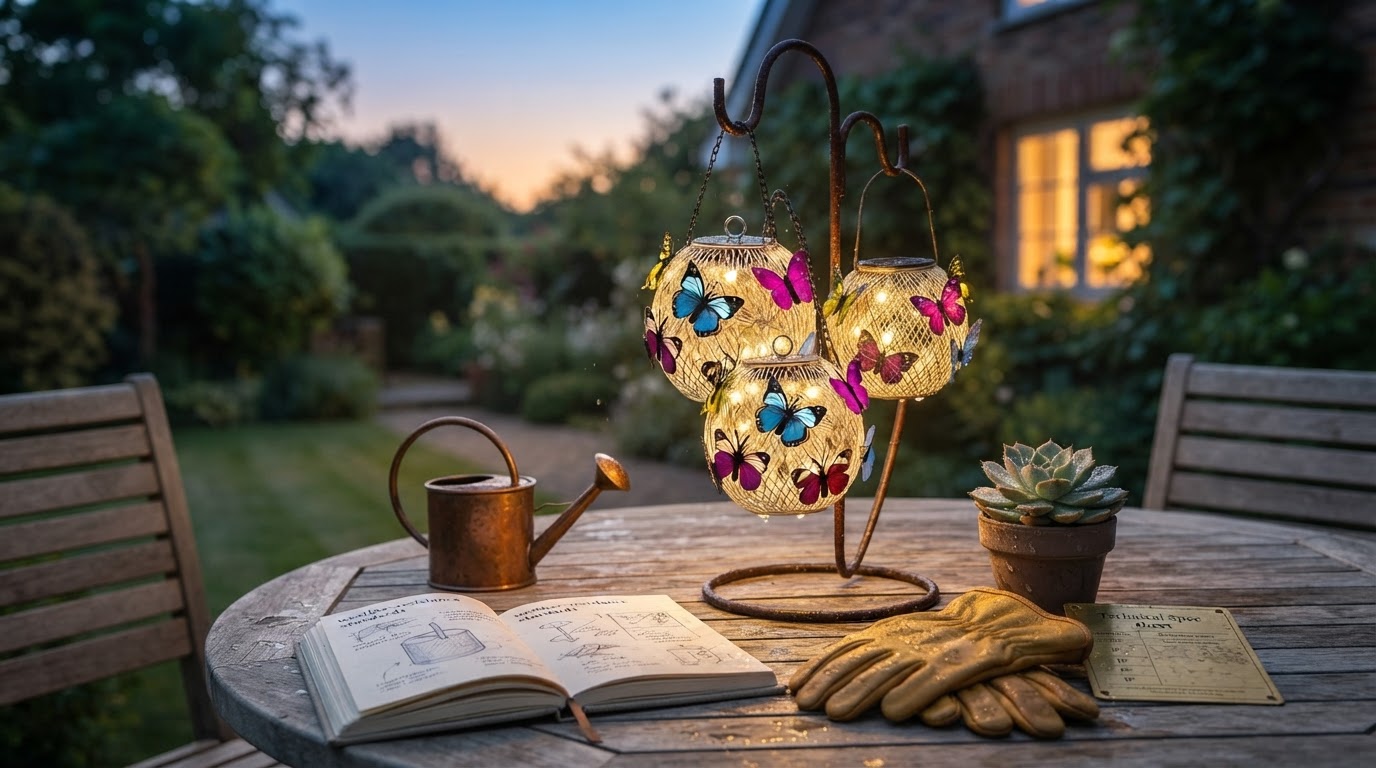
Selecting Waterproof Solar Moroccan Lanterns for Gardens
 Sam VasquezBuying Guide Lead
August 26, 2026. This guide examines the technical requirements for maintaining decorative outdoor lighting in wet environments. It is written for homeowners seeking to balance traditional aesthetics with modern weather-resistance standards.
The Challenge of Weatherproofing Decorative Garden Lights
When you move lighting from a covered porch into the open garden, the technical stakes change immediately. Most decorative lighting fails not because of the battery or the LED, but because of moisture ingress. In my experience, the typical point of failure is the seal around the solar panel or the battery compartment. If water sits in the bottom of a metal housing, it accelerates corrosion, which is why proper drainage is just as important as the initial seal. According to the International Electrotechnical Commission, the IP (Ingress Protection) rating is the only standardized way to verify if a product can actually handle rain. For a garden setting, you should look for a minimum of IP44, though IP65 is preferred if the lantern will be exposed to direct jets from a sprinkler system.
I often see people trying to decide between different power sources. When looking at solar lanterns vs electric garden lights, the waterproof factor becomes even more critical for electric versions because of the risk of short-circuiting high-voltage lines. Solar options are inherently safer in wet grass, but they face the unique challenge of keeping the photovoltaic cell clear of mineral deposits left by rainwater. If you live in a region with heavy snowfall or tropical rain, the structural integrity of the metal filigree matters. Thin, stamped metal can rust through in a single season if the protective coating is chipped. I have found that powder-coated finishes tend to hold up significantly better than simple spray-painted alternatives found in big-box clearance aisles. You also need to consider how long do solar garden lanterns last when they are subjected to constant moisture cycles. A lantern that isn't built to drain will eventually see its internal wiring corrode, regardless of how good the solar panel is.
How Solar Moroccan Lanterns Solve Outdoor Lighting Issues
Photo by Constantine Kim on Pexels
Solar Moroccan Lanterns are designed specifically to address the intersection of decorative shadow play and outdoor durability. The metal filigree solar lights outdoor enthusiasts often post about on Reddit are valued for their ability to cast intricate patterns, but from a practical standpoint, those holes serve a dual purpose: ventilation and drainage. Unlike solid glass jars that can trap condensation and overheat the battery, the open-work design of a Turkish style solar lantern allows air to circulate around the internal components. This airflow is vital for keeping the rechargeable battery at a stable temperature, which directly impacts its lifespan.
In my testing of outdoor solar hanging lanterns, the primary differentiator for this brand is the integration of the solar housing. Instead of a loose-fitting cap, these units use a snug-fit solar insert that sits flush against the metal rim, minimizing the surface area where water can pool. The use of metal filigree rather than plastic imitations provides the weight necessary to keep the lanterns from swaying excessively in high winds—a common cause of damage for lighter, cheaper models. If you are looking for boho outdoor patio decor solar options, these lanterns provide the aesthetic of traditional tinwork without the maintenance of real candles. Between these two options—plastic solar stakes or metal Moroccan lanterns—I'd go with the metal lanterns every time for a permanent garden installation. The plastic versions simply don't have the UV resistance to survive more than a year in direct sun without becoming brittle and cracking. Furthermore, when you evaluate how long do solar garden lanterns last in a real-world setting, the ability to replace the internal Ni-MH battery is a key feature of the Solar Moroccan Lanterns line. This prevents the entire unit from becoming e-waste once the original battery reaches its cycle limit, which is a common frustration when comparing solar lanterns vs electric garden lights where repairs are often impossible for the average consumer.
A Decision Framework for Your Garden Lighting
Photo by Jimmy Liao on Pexels
Choosing the right waterproof lantern requires looking past the initial glow. If you're on a budget, you might be tempted by multipacks of plastic lights, but you will likely replace them within 12 months. Skip this if you are looking for high-intensity task lighting; these lanterns are designed for ambiance and shadow patterns, not for illuminating a dark pathway for safety. Here's what I'd actually buy: I prefer the medium-sized hanging models because they offer the best balance of battery capacity and weight. They stay stable on shepherd's hooks even during summer storms. When you are shopping, use this checklist to ensure you are getting a unit that will survive the elements:
- Check for an IP44 rating or higher to ensure protection against splashing water from any direction.
- Verify that the metal is powder-coated or treated for rust resistance, especially at the solder points.
- Look for a solar panel that is integrated into the lid with a rubberized gasket or tight seal.
- Ensure the filigree pattern includes drainage holes at the very bottom of the lantern base.
- Confirm the battery is a standard size (like AA Ni-MH) that can be replaced by the user later.
- Opt for warm white LEDs (2700K-3000K) to best complement the amber tones of Moroccan metalwork.
Shop Solar Moroccan Lanterns here